Cities don’t build themselves—especially not in games where every road, power line, and zoning decision shapes the fate of thousands. Poorly placed industrial zones choke residential districts with pollution. Overambitious expansions collapse from infrastructure strain. One wrong tax rate sparks mass abandonment. Yet, when balance is struck—a city humming with efficiency, green spaces blooming, citizens thriving—the satisfaction is unmatched.
City building games thrive on that delicate mix of creativity, logic, and long-term foresight. They’re not just about slapping down buildings; they’re about systems, cause and effect, and seeing a vision evolve from a barren map to a bustling metropolis. Whether you're drawn to pixelated charm or photo-realistic skylines, the genre offers deep engagement for planners, dreamers, and problem-solvers alike.
Here’s a look at the best city building games today, what makes them stand out, and how to get the most from your urban experiments.
Why City Building Games Still Dominate Strategy Playlists
Few genres deliver the same sense of progression as city builders. You start with limited funds, a few services, and a blank canvas. Within hours, you’re managing traffic flow, balancing budgets, and fending off disasters.
What sets these games apart is emergent complexity. A minor oversight—like placing sewage outlets downstream from water pumps—can trigger cascading failures. Conversely, a well-designed transit loop or renewable energy grid can elevate your city from functional to flourishing.
Players return not just for the visual payoff, but for the intellectual challenge. Each playthrough reveals new blind spots. Seasoned builders will tell you: the real opponent isn’t competition—it’s your own assumptions.
Classics That Defined the Genre
Before modern graphics and simulation depth, a few pioneering titles laid the foundation.
SimCity 2000 (1993) introduced layered infrastructure, zone types, and a top-down view that became industry standard. Its blend of accessibility and depth made it a cultural touchstone.
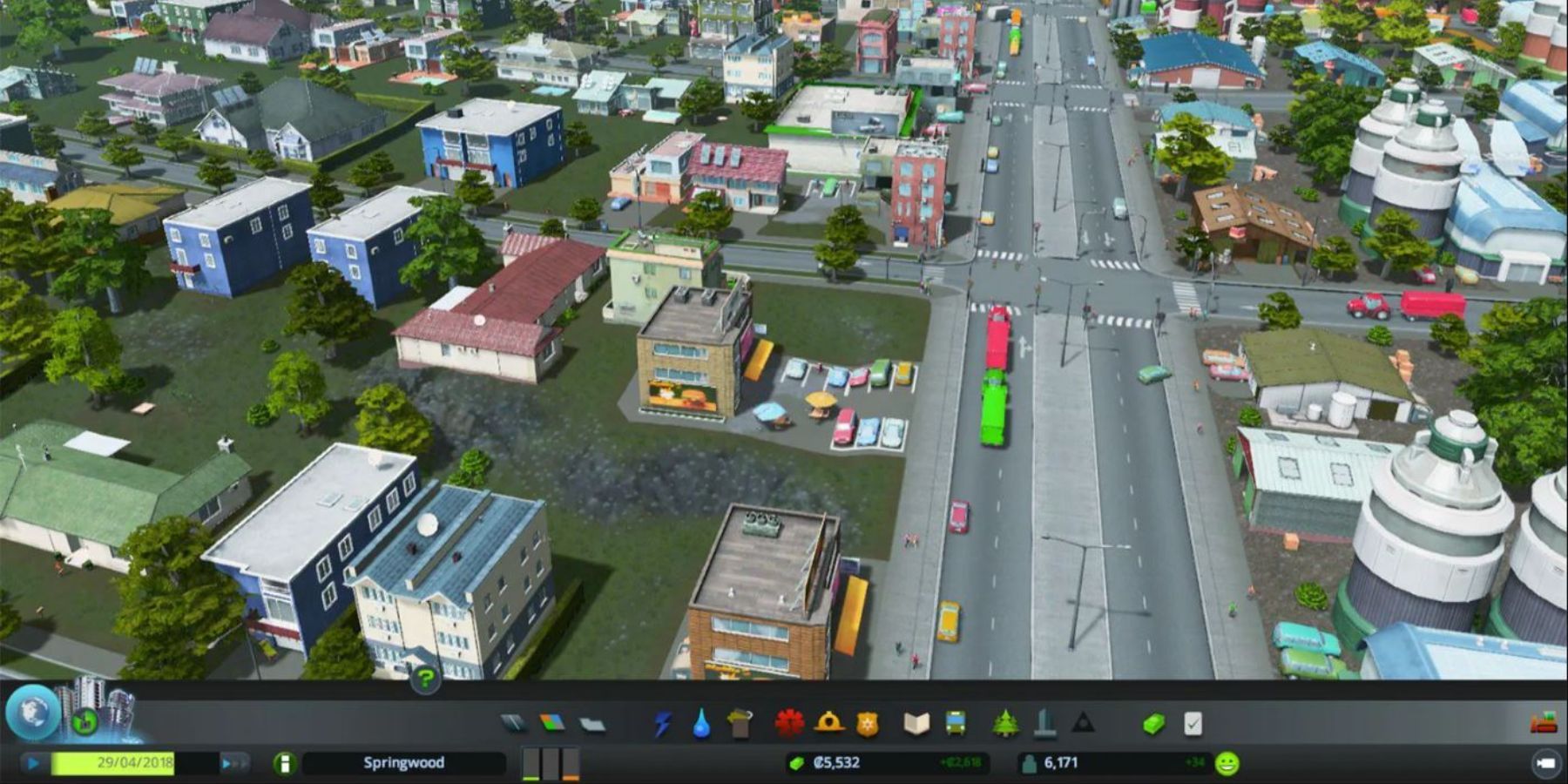
Cities: Skylines (2015) revived the genre after years of stagnation. With robust traffic AI, extensive mod support, and granular control, it became the go-to for both newcomers and veterans. Over a decade later, it remains relevant—especially with the enhanced Cities: Skylines Remastered on consoles and Cities: Skylines II expanding simulation depth.
These titles didn’t just entertain—they influenced how players think about real-world urban challenges: public transit efficiency, pollution control, and economic equity.
Top 7 City Building Games You Should Play in 2024
Not all city builders follow the same blueprint. Some emphasize survival, others focus on storytelling or historical authenticity. Here are the most compelling options today:
| Game | Platform | Key Strength | Best For |
|---|---|---|---|
| Cities: Skylines II | PC | Deep economic simulation, dynamic citizen AI | Players who want realism and long-term complexity |
| Tropico 6 | PC, PS, Xbox | Political satire, island nation management | Story-driven builders who enjoy micromanagement |
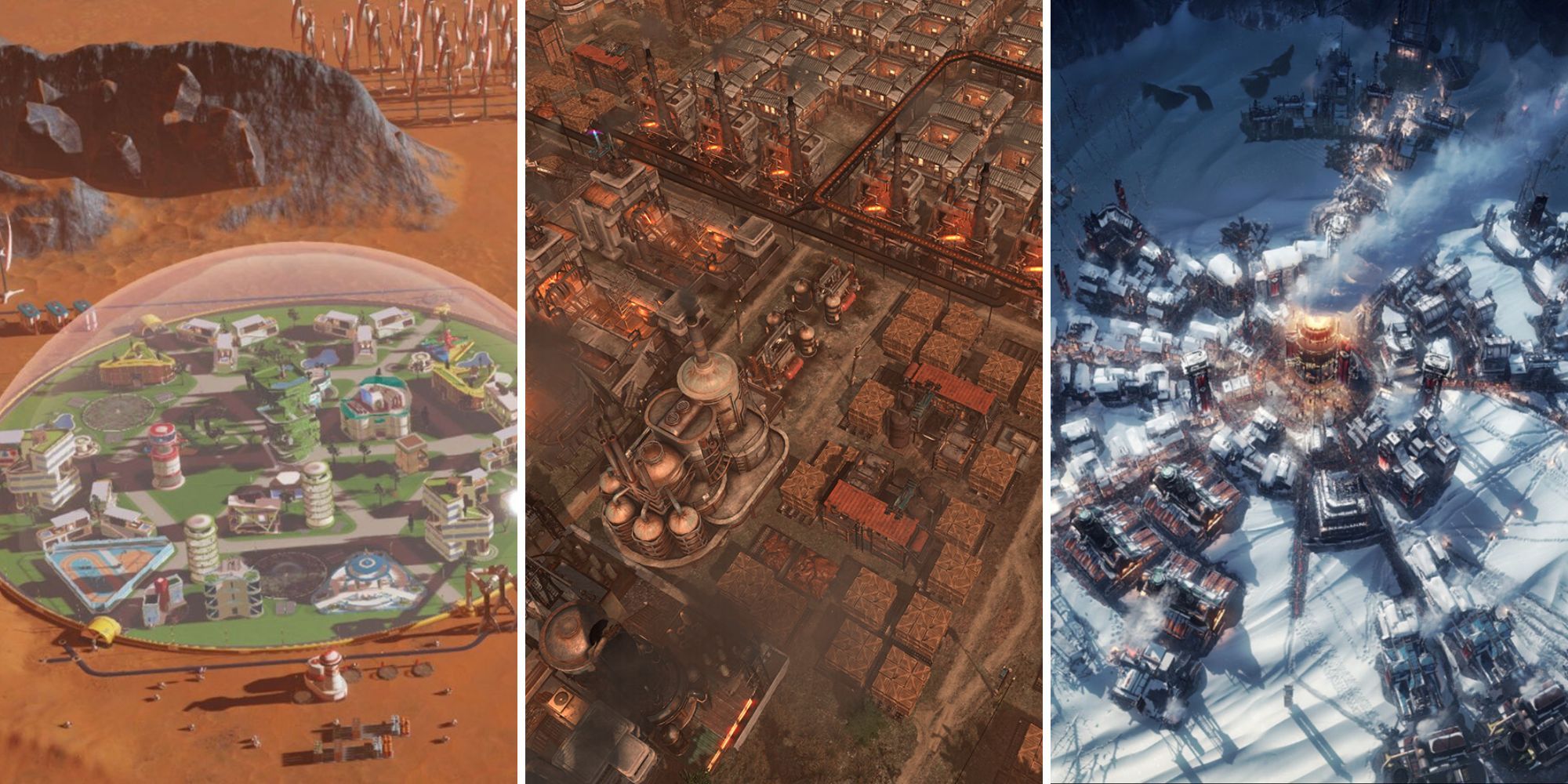
| Surviving the Aftermath | PC, PS, Xbox | Post-apocalyptic settlement, survival mechanics | Fans of crisis response and resource scarcity |
| Frostpunk | PC, Switch, PS | Moral dilemmas, extreme weather survival | Players drawn to narrative tension and tough choices |
| Anno 1800 | PC | Industrial revolution theme, trade networks | Historical enthusiasts and logistics lovers |
| Banished | PC | Minimalist, population-dependent survival | Players who prefer quiet, thoughtful pacing |
| TheoTown | Mobile, PC | Mobile-friendly, SimCity-style gameplay | Casual builders on the go |
Each game offers a different flavor of city management:
- Tropico 6 lets you play as “El Presidente,” manipulating elections, appeasing factions, and exporting cigars to fund your dictatorship. It’s city building with a heavy dose of political theater.
- Frostpunk forces brutal trade-offs: do you extend the generator to save lives, or enforce child labor to keep it running? The city is a character shaped by desperation.
- Anno 1800 blends city building with empire management. You don’t just build one city—you manage multiple islands, each producing goods for a global supply chain.
Design Principles That Separate Good Cities from Great Ones
Even in fantasy settings, successful cities follow real-world logic. Here’s what separates thriving virtual cities from ghost towns:
#### 1. Zoning with Purpose Randomly placing residential zones near factories leads to abandoned buildings and low land value. Instead: - Separate industrial areas with buffers (parks, commercial strips) - Use road hierarchies: highways for transit, local roads for access - Consider wind direction when placing polluting facilities
#### 2. Public Transit That Works Traffic congestion is the #1 reason cities fail in Cities: Skylines. The fix? - Build radial transit hubs (buses to metro to trains) - Prioritize high-capacity lines early - Avoid gridlock by using one-way streets or roundabouts
#### 3. Budget Discipline It’s tempting to unlock every service at once. But overstaffed fire departments and underused schools drain funds. Instead: - Unlock services incrementally - Adjust tax rates based on growth phase (lower during expansion, raise during stability) - Monitor upkeep costs—especially as cities scale
#### 4. Anticipate Growth A city that fits perfectly at 20,000 people will choke at 100,000. Plan ahead: - Leave space for future expansion - Overbuild power and water capacity early - Design districts with future transit routes in mind
Skipping these steps leads to reactive governance—fixing problems instead of preventing them.
Mistakes That Derail New Builders
Even experienced players fall into traps. Common pitfalls include:
- Overbuilding services too early: A single clinic suffices for 5,000 residents. Building five hospitals at once kills your budget.
- Ignoring citizen happiness: Low happiness reduces tax income and increases abandonment. Use parks, schools, and policies to maintain morale.
- Neglecting disaster prep: Earthquakes, plagues, and fires aren’t just events—they’re stress tests. Build redundancies (e.g., backup power) before crisis hits.
- Chasing population too fast: Rapid growth without infrastructure leads to pollution, crime, and traffic hell.
The best builders don’t rush. They create stable foundations, then scale deliberately.
How Modding Expands the Experience
Few genres benefit from modding as much as city building. In Cities: Skylines, mods transform the game:
- Traffic Manager: President Edition gives full control over lane usage and traffic lights
- Realistic Population adjusts building capacity to reflect real-world densities
- Network Multitool streamlines road and transit line editing
On platforms like Steam Workshop, thousands of free assets—from solar skyscrapers to historic trams—let players customize aesthetics and functionality. Even Cities: Skylines II launched with strong mod support, signaling developer commitment to player creativity.
Modding isn’t just cosmetic. It fills gaps in simulation depth, adds tools for precision design, and extends replayability.
Console vs. PC: Where Should You Build?
While PC remains the stronghold for city builders, console versions have improved:
- Cities: Skylines Remastered (PS5, Xbox Series X) runs smoothly and supports essential mods
- Tropico 6 and Surviving the Aftermath offer full feature parity on consoles
- Touch-friendly titles like TheoTown shine on mobile
However, PC still wins for: - Faster input (keyboard shortcuts, mouse precision) - Larger mod libraries - Higher map sizes and simulation limits
For serious builders, PC is non-negotiable. For casual play, modern consoles deliver a solid experience.
The Future of City Building Games
Upcoming titles suggest deeper simulation and stronger narrative integration. Cities: Skylines II already models individual citizen behavior—each with a job, home, and routine. Future updates may include climate change effects, AI-driven policy suggestions, or multiplayer collaboration.
Emerging trends include: - Educational use: Schools using Cities: Skylines to teach urban planning - Sustainability focus: More games emphasizing renewable energy and carbon reduction - Procedural storytelling: Events shaped by player choices, not just random disasters
The genre is evolving from pure management to immersive world-building.
Start small. Plan for scale. Learn from failure.
The best city you’ll ever build is the next one—shaped by everything you’ve learned from the last. Whether you’re managing a post-apocalyptic bunker or a tropical banana republic, the core remains: build thoughtfully, adapt constantly, and let your city tell a story worth living in.