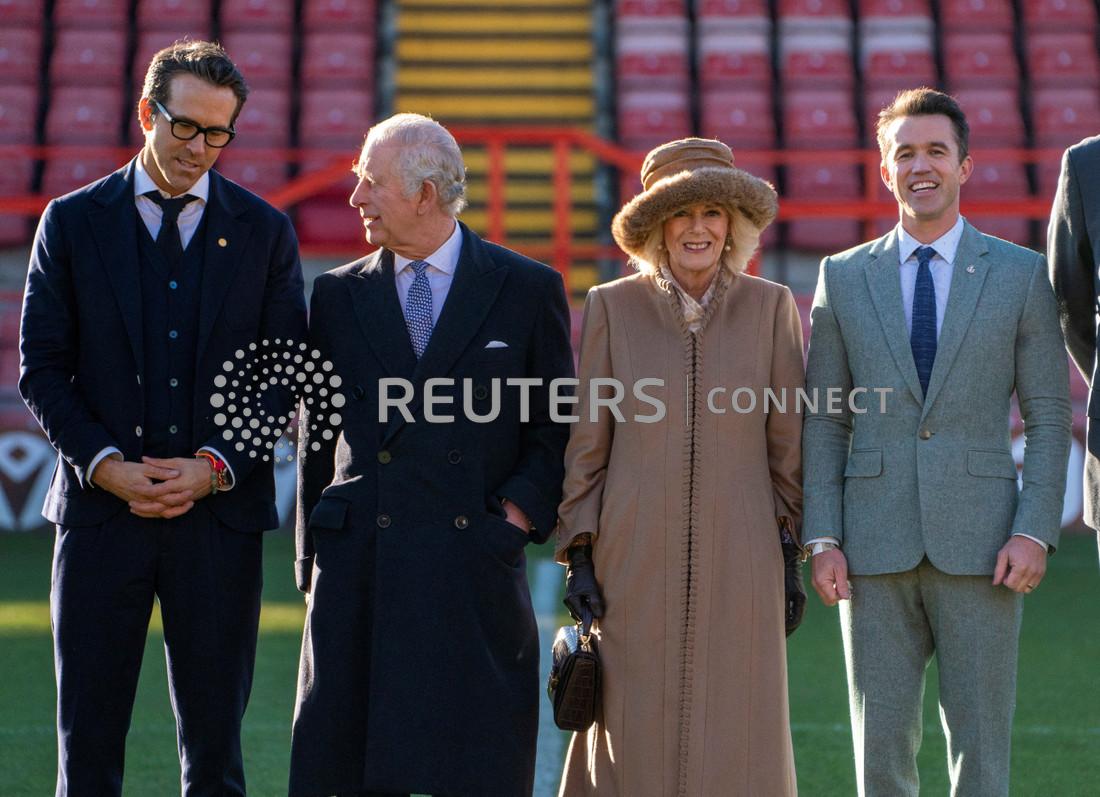
The rain used to define Wrexham more than its football club. A post-industrial town in northeast Wales, it carried the weight of economic stagnation, shuttered factories, and fading high streets. But now, people aren’t just talking about the weather. It’s finally sunny in Wrexham — not meteorologically, but culturally, economically, and emotionally. The shift didn’t come from government policy or a factory reopening. It came from two Hollywood actors buying a 158-year-old football club and turning a local dream into a global phenomenon.
From Obscurity to Orange: How Wrexham AFC Rose Again
Wrexham Association Football Club wasn’t just a lower-league team — it was a symbol. Founded in 1864, it’s the oldest professional football club in Wales. For decades, it played in the shadow of bigger cities and richer clubs. Financial instability, inconsistent performances, and administrative chaos kept it adrift in the National League — outside the English Football League since 2008.
Then, in 2020, Ryan Reynolds and Rob McElhenney walked in.
The It’s Always Sunny in Philadelphia co-stars, fresh off their comedic success, made an unlikely pivot: buying a struggling Welsh football club. Their motives were personal, but their impact was seismic. They didn’t just invest money — they invested narrative. They launched Welcome to Wrexham, a documentary series that chronicled their journey, the town, and the fans. Suddenly, a club most people in England couldn’t find on a map was trending worldwide.
The series revealed raw truths: loyal fans supporting a team through decades of near misses, a town starved for pride, and two outsiders trying to do right by a community that trusted them. It was underdog storytelling at its best — real, unscripted, and deeply human.
Hollywood Meets the Terraces: A Cultural Collision
You don’t expect A-list celebrities at a 10,000-seat stadium in North Wales. Yet there they were: Reynolds and McElhenney in the stands, in boardrooms, on pitchside during rainy midweek matches. The initial skepticism from fans was real. Are they here for clout? Will they bail when it gets hard?
But what followed wasn’t a vanity project. It was a masterclass in brand storytelling and community engagement.
Reynolds applied his marketing savvy — refining the club’s crest, launching merchandise that sold out globally, and leveraging social media to turn Wrexham into a lifestyle brand. A limited-edition Wrexham scarf appeared in Deadpool trailers. The club’s kit featured Aviation Gin and Mint Mobile, Reynolds’ brands, funneling sponsorship revenue back into the team.
McElhenney, meanwhile, focused on the grassroots — attending youth games, meeting local businesses, and prioritizing stadium upgrades. The Racecourse Ground, one of the oldest international stadiums in the world, got new lighting, improved stands, and better facilities.
Together, they didn’t just rebrand a football club — they rebuilt a town’s identity.
Tourism, Investment, and the “Wrexham Effect”
The ripple effect was immediate.

VisitWrexham reported a 300% increase in tourism inquiries after the first season of the documentary. Fans from the U.S., Canada, and Australia began flying in for matches. Hotels, pubs, and restaurants near the stadium saw revenue spikes. A town of just over 60,000 people became a destination.
Local businesses capitalized. “Wrexham AFC” t-shirts, mugs, and pint glasses flew off shelves. The town council started promoting “Wrexham AFC heritage tours.” Even the local rugby club saw increased interest — not just for the sport, but for the atmosphere.
More importantly, credibility returned. Investors who once ignored Wrexham started looking. In 2023, a tech startup chose to open a satellite office there, citing the town’s “resurging energy.” The Welsh government quietly fast-tracked infrastructure funding, acknowledging the club’s role in regional regeneration.
This wasn’t just sports — it was socio-economic revitalization powered by narrative.
The Football Matters: On-Pitch Success and Real Stakes
None of this works without results on the pitch. A beloved story collapses if the team keeps losing.
In 2023, Wrexham AFC won the National League title — earning promotion to EFL League Two. It was their first return to the English Football League in 19 years. The scenes at the Racecourse Ground were electric: fans flooding the pitch, grown men crying, Reynolds and McElhenney hugging players in orange kits.
The following season, they narrowly missed a second straight promotion — losing in the League Two playoff semi-finals. But the ambition remains. The club is investing in a new training ground, upgrading its academy, and targeting a long-term climb through the leagues.
Critics ask: Can a club owned by actors sustain success? The answer lies in governance. While Reynolds and McElhenney make headlines, the club is run by experienced football executives. Phil Parkinson, the manager, has a proven track record. The recruitment team uses data analytics, not celebrity whims. The investors reinvest profits — not extract them.
Beyond the Hype: Challenges and Realities
The Wrexham revival isn’t without friction.
Some locals worry the town is being “Disneyfied.” Longtime fans grumble about rising ticket prices and American tourists treating the club like a theme park. The influx of attention has also brought gentrification concerns — property prices in central Wrexham have climbed 15% since 2021.
There’s also pressure. Expectations are higher. Fans don’t want another false dawn. The club must balance global branding with local authenticity — sell merch in L.A. while keeping the soul in Mold Road.
And the football must keep improving. With each passing season, mediocrity becomes less forgivable. The infrastructure must catch up with the ambition. The youth academy needs to produce homegrown talent, not just buy players.
The Hollywood owners know this. In interviews, they’ve called it a “marathon, not a sprint.” But marathons are harder to monetize than quick wins.
What Wrexham Teaches the World
Wrexham is more than a football story. It’s a case study in how culture, community, and capital can align to revive a forgotten place.
Other struggling towns are watching. In Hartlepool, in Dundee, in Flint — local leaders ask: Can we replicate this?
The answer is yes, but not by copying the celebrity angle. The lesson isn’t “get a movie star to buy your team.” It’s “tell your story authentically, invest in your people, and treat your community like partners.”
Wrexham succeeded because Reynolds and McElhenney listened before they acted. They didn’t impose a vision — they amplified an existing one. They gave fans a platform, not a script.
They also understood modern media. They turned a football season into a serialized drama with real stakes. Every match felt like an episode. Every transfer window, a cliffhanger.
The Human Element: Why Fans Believe Again
At a match in February, an 80-year-old fan named Dai stood in the Kop with his grandson. “I’ve been coming since ‘67,” he said, scarf wrapped tight. “Never thought I’d see the club mean this much again.”
That’s the real metric of success.
Not merchandise sales. Not documentary ratings. But a grandfather passing down hope, not just history.
The “sun” in Wrexham isn’t just metaphorical. The town still gets rain — and hard times. But now, when the clouds part, people notice. They feel it.
The club isn’t just winning games. It’s restoring belief.
What’s Next for Wrexham?
Promotion to League One remains the short-term goal. But the long-term vision is bigger: a self-sustaining club, a revitalized town center, and a model for how sport can drive social change.
Plans are underway for a community trust, youth hub, and expanded museum honoring the club’s history — including the pre-Hollywood years.
Reynolds recently said, “We didn’t buy a football club. We joined a community.” That mindset — not the money — is what changed everything.
The world watches Wrexham now. Not because of Hollywood, but because of what happens when story, sport, and soul collide.
For towns everywhere fighting to stay relevant, Wrexham is proof: sometimes, all it takes is a little sunlight.
FAQ
Why did Ryan Reynolds and Rob McElhenney buy Wrexham AFC? They wanted to own a football club with deep roots and underdog spirit. Wrexham’s history and passionate fanbase drew them in — not its financial potential.
Has Wrexham AFC been promoted since the takeover? Yes. In 2023, Wrexham won the National League and were promoted to EFL League Two. They narrowly missed promotion to League One in 2024.
Is Wrexham’s success just a Hollywood stunt? No. While the owners are celebrities, they’ve hired experienced staff, reinvested profits, and prioritized long-term football development over short-term fame.
How has the town of Wrexham changed? Tourism has surged, local businesses have benefited, and national attention has brought investment. But challenges like gentrification and rising costs remain.
Can other small towns replicate Wrexham’s model? Yes — but not by seeking celebrity owners. The key is authentic storytelling, community involvement, and sustainable investment in local assets.
Do locals support the Hollywood owners? Most do — especially after on-pitch success and visible improvements. However, some worry about commercialization and losing the club’s traditional identity.
Where can I watch the Wrexham documentary? Welcome to Wrexham airs on FX and streams on Hulu in the U.S., and on Disney+ internationally.
FAQ
What should you look for in It’s Finally Sunny in Wrexham: Hollywood’s Gamble on a Welsh Town? Focus on relevance, practical value, and how well the solution matches real user intent.
Is It’s Finally Sunny in Wrexham: Hollywood’s Gamble on a Welsh Town suitable for beginners? That depends on the workflow, but a clear step-by-step approach usually makes it easier to start.
How do you compare options around
It’s Finally Sunny in Wrexham: Hollywood’s Gamble on a Welsh Town? Compare features, trust signals, limitations, pricing, and ease of implementation.
What mistakes should you avoid? Avoid generic choices, weak validation, and decisions based only on marketing claims.
What is the next best step? Shortlist the most relevant options, validate them quickly, and refine from real-world results.


